
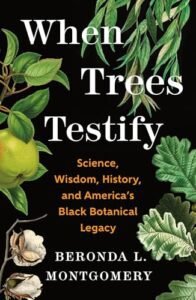
I picked up When Trees Testify: Science, Wisdom, History, and America’s Black Botanical Legacy on a whim during a quiet afternoon at my local bookstore. The title hooked me right away—trees testifying? It sounded like a blend of poetry and hard science. Little did I know, Beronda L. Montgomery’s book would reshape how I see the natural world intertwined with human stories, especially those from Black American history. In a time when we’re all grappling with our roots, this narrative feels urgent and alive.
About the Author
Beronda L. Montgomery isn’t just a scientist; she’s a storyteller with deep roots in biology and social justice. A plant scientist and professor, she draws from her own life growing up in the Midwest, surrounded by gardens her family tended. Her previous work, like Lessons from Plants, showed her knack for making science personal. In When Trees Testify, she weaves her expertise into a narrative that’s equal parts memoir and exploration. It’s clear she’s spent years not just studying plants, but listening to them—and to the people who’ve stewarded them through generations.
Spoiler-Free Plot Summary
When Trees Testify doesn’t follow a traditional plot like a novel might. Instead, it’s a rich tapestry of science, history, and personal reflection. Montgomery guides us through the hidden botanical legacies of Black Americans—from enslaved gardeners who smuggled seeds across oceans to modern scientists decoding plant communication. She visits archives, labs, and forgotten gardens, uncovering stories where trees and plants stand as silent witnesses to resilience. The narrative flows like a river, branching into unexpected directions, always circling back to how nature holds memory. You won’t find cliffhangers, but each chapter builds a quiet revelation that lingers.
Main Themes
The Language of Plants
Montgomery reveals how plants “speak” through chemicals and signals, a concept that blew my mind. She ties this to Black wisdom traditions, where elders read the land like a book. It’s not dry science; it’s alive, showing trees as communal beings that testify to survival.
Black Hands in the Soil
The book digs into the unsung labor of Black botanists and gardeners. From colonial herbariums to Civil Rights-era farms, these stories pulse with defiance. Montgomery honors figures like George Washington Carver, but spotlights lesser-known heroes too. It hit me how much of America’s green heritage owes to Black ingenuity.
Science Meets Storytelling
Here, Montgomery bridges lab coats and oral histories. She argues that Western science often ignores Indigenous and Black knowledge systems. When Trees Testify challenges that, blending data with anecdotes. It’s a call to expand what we call “evidence.”
Healing Through Heritage
Plants aren’t just backdrop; they’re healers in this narrative. Montgomery explores herbal remedies passed down through enslaved communities, linking them to modern biotech. This theme stirred something in me—a reminder that wisdom isn’t lost, just overlooked.
Character Analysis
While When Trees Testify isn’t a character-driven novel, its “characters” shine through vivid portraits. Montgomery herself emerges as the steady guide, her voice warm and probing, shaped by her scientist-mother heritage. Historical figures like the seed-saving women of the Gullah Geechee leap off the page, fierce and resourceful. Even the plants feel like protagonists—oaks that sheltered runaways, yams that carried stories across the Atlantic. These aren’t flat sketches; Montgomery breathes life into them, making their struggles feel immediate and human.
Writing Style & Narrative Quality
Montgomery’s prose flows like a conversation over tea—clear, rhythmic, never stuffy. She mixes short, punchy sentences with longer, winding ones that mimic a plant’s growth. Metaphors abound: roots as ancestors, leaves as whispers. It’s not poetic fluff; the narrative stays grounded in facts, yet it pulls you in emotionally. Transitions feel organic, like strolling through a forest path. For a literary work blending nonfiction and memoir, the quality holds up beautifully—no filler, just depth.
Strengths & Weaknesses
Strengths:
-
Eye-opening blend of botany and Black history that feels fresh and vital.
-
Personal touches make complex science accessible and heartfelt.
-
Stunning imagery of plants and places that stick with you.
-
Thoughtful structure that builds like a growing tree.
Weaknesses:
-
Some historical detours can feel dense if you’re not into timelines.
-
Assumes basic interest in science; newcomers might skim parts.
-
Ends on a hopeful note but leaves a few threads open-ended.
Emotional Impact
Reading When Trees Testify hit me in waves. One chapter on enslaved gardeners smuggling African blooms brought tears—such quiet rebellion. I felt a swell of pride for overlooked legacies, mixed with anger at erased histories. Walking my own neighborhood afterward, I saw trees differently, wondering what stories they hold. It’s rare for a book to shift your worldview so gently yet profoundly. Montgomery doesn’t preach; she invites you to feel the earth’s pulse.
Who Should Read This Book?
If you love nature writing like Robin Wall Kimmerer’s Braiding Sweetgrass, this is your next read. History buffs interested in Black American stories will devour it. Scientists wanting a human lens on their field? Perfect. Even gardeners or casual readers curious about hidden narratives will find gems. Skip it if you’re after fast-paced plots—this literary work rewards slow savoring.
Final Verdict
When Trees Testify: Science, Wisdom, History, and America’s Black Botanical Legacy earns a solid spot on my shelf. Beronda L. Montgomery crafts a narrative that’s enlightening without overwhelming, weaving science, story, and soul into something timeless. I recommend it wholeheartedly to anyone ready to listen to what trees might say. It’s not perfect, but its insights endure.
FAQ
What is When Trees Testify about?
Beronda L. Montgomery explores Black botanical legacies through science, history, and wisdom, showing how plants testify to human resilience.
Is When Trees Testify a novel or nonfiction?
It’s nonfiction—a narrative blend of memoir, science, and history, not a fictional novel.
Who is the target audience for this book?
Readers into nature, Black history, or plant science; fans of thoughtful, reflective literary works.
Does When Trees Testify have spoilers in reviews?
This one stays spoiler-free, focusing on themes and impact without plot reveals.