Meta Description:
A warm, honest Rose in Chains review exploring themes, characters, writing style, and emotional impact in Julie Soto’s deeply reflective novel.
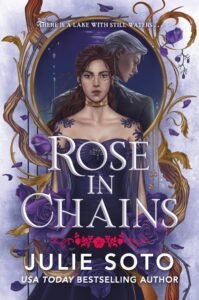
Rose in Chains by Julie Soto is an emotionally thoughtful novel about identity, love, and the invisible ties that hold us back. This review explores its themes, writing style, and reading experience without spoilers.
Introduction: Why I Picked Up Rose in Chains
I picked up Rose in Chains on a quiet evening, the kind where you want a book that doesn’t shout for your attention but still promises depth. I wasn’t looking for twists or spectacle. I wanted something reflective. Something human. And from the first few chapters, it was clear that Julie Soto had written a story that lives in the spaces between words.
This isn’t the kind of book you race through. It’s the kind you sit with. The kind that makes you pause, reread a paragraph, and think, oh… I know this feeling. As a reader, I found myself settling into its rhythm slowly, like adjusting to a dimly lit room where the details reveal themselves over time.
This Rose in Chains review is written as a genuine reader’s reflection—equal parts appreciation and honest critique—because this book deserves to be discussed thoughtfully.
Quick Book Details
-
Title: Rose in Chains
-
Author: Julie Soto
-
Genre: Contemporary fiction / emotional drama
-
Format Read: Paperback
-
Best For: Readers who enjoy character-driven, emotionally layered stories
Spoiler-Free Rose in Chains Summary
At its heart, Rose in Chains is about a woman learning to recognize the invisible forces shaping her life. The story follows a protagonist who appears composed and capable on the surface, yet feels quietly constrained by emotional expectations, relationships, and unspoken rules.
Rather than focusing on dramatic events, Julie Soto builds the narrative around inner conflict. Small moments—conversations, memories, hesitations—carry weight. The “chains” in the title are not literal, but emotional and psychological, and the “rose” symbolizes both beauty and vulnerability.
This Rose in Chains summary stays spoiler-free, but readers should know this is a novel about awareness and transformation rather than action-heavy plot turns.
What This Book Feels Like
Reading Rose in Chains feels a bit like listening to a close friend tell you something difficult but necessary. The tone is quiet, reflective, and emotionally observant. It doesn’t rush. It doesn’t explain everything outright.
If I had to describe the vibe, I’d say this book feels like a late-night conversation after everyone else has gone to sleep—soft, honest, and a little uncomfortable in the best way. It’s not flashy. It’s intimate.
At one point, I paused for a second and thought, wow, this is uncomfortably accurate.
Deeper Analysis: A Reader’s Perspective
Writing Style and Pacing
Julie Soto’s writing style in Rose in Chains is restrained but intentional. She doesn’t rely on elaborate descriptions or dramatic language. Instead, she uses clean, direct prose that allows the emotional weight to surface naturally.
The pacing is slow, but not stagnant. Think of it like watching the tide come in. You don’t notice the movement right away, but eventually, everything has shifted. This won’t work for readers who want constant momentum, but for those who enjoy introspective fiction, the pace feels right.
Julie Soto trusts the reader. She doesn’t over-explain emotions, and she leaves room for interpretation. That trust is one of the book’s greatest strengths.
Characters That Feel Real, Not Perfect
One of the reasons Rose in Chains works so well is its characters. The protagonist isn’t written as a symbol or an idea—she’s flawed, hesitant, and deeply human. Her internal conflicts feel believable, especially in how she justifies certain choices to herself.
Supporting characters are drawn with care, even when they’re frustrating. No one is painted as purely good or bad. Julie Soto understands that emotional harm often comes from confusion, fear, or misplaced affection rather than outright cruelty.
As a reader, I appreciated that complexity. It made the story feel honest rather than performative.
Themes and Emotional Depth
The themes in Rose in Chains are subtle but powerful:
-
Emotional dependence versus love
-
The fear of change
-
Identity shaped by relationships
-
Learning to listen to your own discomfort
Julie Soto doesn’t present these themes with heavy-handed messaging. Instead, they emerge through experience. The book feels like holding up a mirror rather than pointing a finger.
One metaphor that stayed with me is how the story treats emotional control like silk thread—soft, nearly invisible, but strong enough to bind you if you’re not paying attention.
What Rose in Chains Does Best
If there’s one thing this novel excels at, it’s emotional realism. Rose in Chains captures how easy it is to mistake familiarity for safety and how difficult it can be to admit that something you’ve invested in isn’t good for you.
Julie Soto writes emotional tension the way some writers handle action scenes—quietly, precisely, and with confidence. The stakes are internal, but they feel real.
Where It Could Have Gone Further
That said, the book isn’t without limitations. At times, I wanted a bit more from the secondary characters. A few relationships felt underexplored, especially given how important they were to the protagonist’s emotional landscape.
Additionally, readers who prefer clear resolutions might find the ending a little restrained. The book prioritizes emotional truth over neat conclusions, which I appreciated—but it may not satisfy everyone.
Favorite Moments and Highlights (No Spoilers)
-
Moments of internal realization that feel earned, not sudden
-
Quiet conversations that reveal more through what’s unsaid
-
The steady emotional build rather than a dramatic climax
-
The protagonist’s gradual shift in self-awareness
Things That Might Not Work for Everyone
-
Slow pacing with limited external action
-
Heavy focus on internal thoughts and emotions
-
Subtle conflict instead of dramatic plot twists
These aren’t flaws so much as stylistic choices, but they’re worth noting.
Who Should Read Rose in Chains (And Who Might Skip It)
You should read Rose in Chains if you enjoy emotionally intelligent fiction, character studies, and stories about personal growth. Fans of introspective novels will likely find this book rewarding.
You might want to skip it if you prefer fast-paced plots, clear villains, or high-stakes external conflict.
Similar Books You May Like
If this book resonated with you, consider:
-
Forget Me Not by Julie Soto
-
Normal People by Sally Rooney
-
Eleanor Oliphant Is Completely Fine by Gail Honeyman
-
The Light We Lost by Jill Santopolo
Final Rating and Thoughts
Rating: 4 out of 5 ⭐⭐⭐⭐☆
Rose in Chains by Julie Soto isn’t a loud book, but it’s a meaningful one. It asks readers to slow down, pay attention, and sit with uncomfortable truths. While it won’t be for everyone, it offers a thoughtful, emotionally grounded experience for those willing to meet it on its own terms.
FAQ: Rose in Chains Review
Is Rose in Chains a romance novel?
It includes romantic elements but focuses more on emotional growth and self-discovery.
Is this book fast-paced?
No, it’s intentionally slow and reflective.
Does the book include heavy or graphic content?
No, it’s AdSense-friendly and handled with care.
What are the main themes in Rose in Chains?
Identity, emotional control, love, and personal freedom.
Is Rose in Chains worth reading?
If you enjoy thoughtful, character-driven stories, yes.
Conclusion: A Book That Whispers Instead of Shouts
Rose in Chains doesn’t try to impress you. It tries to understand you. And in doing so, it creates a reading experience that feels personal and reflective.
Have you read Rose in Chains by Julie Soto?
Did it resonate with you the same way?
Share your thoughts in the comments—I’d love to hear how the story landed for you.