Lights Out Book Review: A Dark Romance That Lingers Long After the Last Page
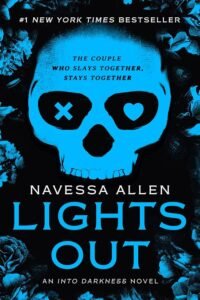
Some books entertain you, some disturb you, and a rare few do both at the same time. Lights Out by Navessa Allen belongs firmly in that last category. It’s not a lighthearted romance, nor does it try to be. Instead, this novel pulls readers into a shadowy emotional space where obsession, desire, fear, and vulnerability collide in ways that feel unsettling—but impossible to ignore.
If you’re a reader who enjoys dark romance with psychological depth, Lights Out offers an intense experience that goes far beyond surface-level attraction. This review takes a closer look at the story, themes, characters, and writing style—without spoilers—to help you decide whether this book is right for you.
What Is Lights Out About?
At its core, Lights Out is a dark romance novel that explores power dynamics, emotional trauma, and forbidden desire. The story centers on two deeply flawed characters whose connection is intense, complicated, and often uncomfortable.
Rather than relying on traditional romantic tropes, Navessa Allen builds tension through atmosphere, internal conflict, and psychological stakes. The relationship in Lights Out isn’t meant to be idealized—it’s meant to be examined.
This is a story about what happens when attraction isn’t safe, love isn’t gentle, and emotions don’t follow moral boundaries.
A Slow-Burning Darkness
One of the strongest aspects of Lights Out is its pacing. The story doesn’t rush into its darkest moments. Instead, it slowly tightens around the reader, layering unease, curiosity, and emotional tension page by page.
The early chapters focus heavily on mood and internal monologue, allowing readers to understand the emotional state of the characters before events escalate. This approach makes the later moments far more impactful.
For readers used to fast-paced romance novels, this slower buildup may feel intense—but that intensity is exactly the point.
Characters That Feel Uncomfortably Real
The Female Protagonist
The female lead in Lights Out is not written as a perfect or overly strong heroine. Instead, she feels emotionally authentic—scarred by her past, conflicted in her desires, and often unsure of her own boundaries.
Her internal struggles are portrayed with care, and her reactions feel realistic rather than performative. This makes her relatable, even when her choices are questionable.
The Male Lead
The male protagonist is dark, dominant, and morally complex. He is not designed to be universally likable—and that’s intentional. Navessa Allen avoids romanticizing harmful behavior, instead presenting a character whose actions force readers to wrestle with discomfort and curiosity at the same time.
This balance is what sets Lights Out apart from many other dark romance novels.
Themes Explored in Lights Out
1. Power and Control
Power dynamics are central to this story, but they’re handled thoughtfully rather than sensationally. The book examines how power can be both intoxicating and destructive, especially when emotional vulnerability is involved.
2. Trauma and Coping
Rather than using trauma as a plot device, Lights Out treats it as an ongoing influence on character behavior. Trauma shapes decisions, reactions, and relationships throughout the novel.
3. Desire vs. Safety
One of the most compelling themes in the book is the tension between what feels good and what is actually safe. This conflict drives much of the emotional weight of the story and keeps readers questioning where the line should be drawn.
Writing Style: Subtle, Atmospheric, and Immersive
Navessa Allen’s writing style leans heavily into atmosphere. The language is descriptive without being excessive, and emotions are often conveyed through subtle cues rather than dramatic declarations.
The author trusts readers to interpret silence, tension, and unspoken thoughts—which adds depth to the reading experience.
This style works particularly well for American readers who enjoy character-driven narratives and psychological complexity.
Is Lights Out an Easy Read?
Emotionally? No.
Technically? Yes.
The prose is clear and accessible, making it easy to follow from a technical standpoint. However, the subject matter can be heavy, and some scenes may feel emotionally intense.
Readers who appreciate dark romance understand that discomfort is often part of the experience—and Lights Out delivers that without crossing into shock-for-shock’s-sake territory.
Who Should Read Lights Out?
This book is best suited for readers who:
-
Enjoy dark romance with psychological depth
-
Prefer character-driven stories
-
Are comfortable with morally complex relationships
-
Appreciate slow-burn tension over instant gratification
If you’re looking for a light, feel-good romance, this book is not for you. But if you enjoy stories that challenge your emotions and expectations, Lights Out may be a strong fit.
Who Should Skip It?
You may want to skip Lights Out if you:
-
Prefer traditional romance tropes
-
Are uncomfortable with dark themes
-
Want a fast-paced, plot-heavy story
-
Expect clear moral boundaries in romantic leads
Being honest about this helps ensure the book reaches the right audience.
Pros and Cons of Lights Out
Pros
-
Strong atmospheric writing
-
Emotionally complex characters
-
Thoughtful exploration of dark themes
-
Slow-burn tension that feels earned
Cons
-
May feel intense or uncomfortable for some readers
-
Not ideal for casual romance fans
-
Emotional heaviness requires patience
How Lights Out Compares to Other Dark Romance Novels
Compared to many popular dark romance titles, Lights Out leans more toward psychological realism than shock value. It doesn’t rely heavily on explicit content to hold attention; instead, it builds intrigue through emotional stakes.
This makes it stand out in a crowded genre and appeals to readers looking for something deeper than surface-level intensity.
Is Lights Out Worth Reading?
If you’re drawn to dark romance because it explores the uncomfortable edges of love and desire, then yes—Lights Out is worth reading.
It’s not a book designed to please everyone. Instead, it offers a focused, emotionally challenging experience for readers who enjoy complex characters and morally gray storytelling.
The story stays with you—not because it tries to shock you, but because it asks difficult questions and doesn’t rush to answer them.
Final Verdict
Lights Out by Navessa Allen is a dark romance novel that prioritizes emotional depth over easy gratification. Its slow pace, psychological tension, and morally complex characters make it a compelling choice for readers who enjoy stories that challenge rather than comfort.
For the right audience, Lights Out isn’t just a romance—it’s an experience.