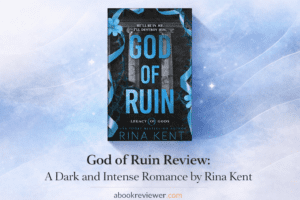
Introduction to “God of Fury”

Disclosure: This post may contain affiliate links. We may earn a commission at no extra cost to you.
Dark romance has become one of the most talked-about genres in modern fiction, and Rina Kent has firmly established herself as one of its most recognizable voices. Among her many bestselling titles, “God of Fury” stands out as a bold and emotionally intense entry that continues the interconnected universe of her popular series.
This God of Fury review explores what makes the novel so captivating for fans of dark romance while also examining its themes, characters, and storytelling style.
“God of Fury” is part of Rina Kent’s Legacy of Gods series, which focuses on a new generation of characters tied to the ruthless families featured in her earlier books. Like many of Kent’s works, this novel blends romance, psychological tension, emotional trauma, and character-driven drama.
Readers are drawn to the book because it pushes emotional boundaries while delivering a gripping love story that explores obsession, vulnerability, and personal transformation.
But what exactly makes this book resonate so strongly with readers?
For fans of dark romance, morally complex characters, and intense emotional storytelling, “God of Fury” offers a reading experience that is both addictive and thought-provoking.
This God of Fury review will explore the story, characters, themes, and writing style to help readers decide whether this book belongs on their reading list.
About the Author: Rina Kent
Before diving deeper into this God of Fury review, it’s helpful to understand the author behind the story.
Rina Kent is a bestselling author known for writing dark romance novels that often feature morally gray characters, powerful emotional conflicts, and complex relationships. Her stories frequently explore themes such as power, obsession, redemption, and psychological trauma.
Kent gained widespread popularity through series such as:
-
Royal Elite Series
-
Kingdom Duet
-
Legacy of Gods Series
Her books often revolve around interconnected characters and families, creating a larger fictional universe that loyal readers enjoy exploring.
One of the defining characteristics of Kent’s writing style is her willingness to explore darker emotional territory. Rather than presenting perfect heroes or simple romances, she creates characters with deep flaws and painful pasts.
This approach has earned her a dedicated fanbase, particularly among readers who enjoy dark, emotionally intense romance stories.
In the context of her broader body of work, “God of Fury” represents one of the more daring entries in her catalogue.
“God of Fury” Summary (Spoiler-Light)
In this section of the God of Fury summary, we’ll explore the core storyline without revealing major spoilers.
The story centers around two young men from powerful and dangerous backgrounds, both carrying emotional scars that shape their lives and relationships.
One of them is Nikolai Sokolov, a character known for his unpredictable personality, sharp intelligence, and deeply buried emotional wounds. He is often viewed as chaotic and dangerous, someone who thrives on breaking rules and challenging authority.
The other central figure is Brandon King, who comes from a family with its own legacy of power and influence. Brandon’s life is defined by expectations, control, and an ongoing struggle with his own identity.
At first glance, these two characters seem completely incompatible.
Their personalities clash, their values conflict, and their worlds collide in ways that create tension and hostility. Yet beneath the surface, there is a deeper connection that neither of them fully understands.
As the story unfolds, their relationship evolves from antagonism into something far more complicated.
The God of Fury summary reveals a narrative built on emotional confrontation, personal discovery, and the slow dismantling of the emotional walls both characters have built around themselves.
The novel explores how two damaged individuals attempt to understand each other while navigating family expectations, personal trauma, and the dangers surrounding their powerful families.
Rather than focusing solely on romance, the story also examines identity, vulnerability, and the fear of emotional exposure.
Main Characters in “God of Fury”
A key strength highlighted in this God of Fury review is the depth and complexity of its characters.
Nikolai Sokolov
Nikolai is one of the most fascinating characters in the novel. He is unpredictable, charismatic, and emotionally volatile.
At times he appears reckless and cruel, yet beneath that exterior lies a character shaped by past trauma and deep emotional pain.
Nikolai often uses humor, chaos, and manipulation as defense mechanisms, making him both intriguing and difficult to understand.
Throughout the novel, readers witness layers of his personality slowly unfold.
Brandon King
Brandon represents a different kind of emotional struggle.
While Nikolai embraces chaos, Brandon is defined by control and responsibility. He carries the burden of family expectations and struggles with internal conflicts about identity and personal freedom.
His character arc involves confronting fears, challenging long-held beliefs, and learning to accept parts of himself he once tried to suppress.
Supporting Characters
Like many books in the Legacy of Gods universe, “God of Fury” features several supporting characters connected to previous novels.
These characters help expand the story’s world and provide additional perspectives on the central relationship.
For returning readers, these appearances add a sense of continuity to the larger series.
Key Themes and Messages
One of the reasons this God of Fury analysis is so interesting is the range of themes explored throughout the novel.
Identity and Self-Acceptance
A central theme in the story is the struggle to accept one’s true identity.
Both main characters grapple with internal conflicts about who they are and who they are expected to be.
Their emotional journey reflects the difficulty of embracing authenticity in environments that demand conformity.
Trauma and Healing
Many of the emotional conflicts in the story stem from past trauma.
Rina Kent explores how unresolved pain can shape behavior, relationships, and personal choices.
The novel doesn’t present healing as simple or immediate. Instead, it shows how confronting the past can be a slow and painful process.
Power and Control
Power dynamics are another major element of the story.
Because the characters come from influential families, control and authority play significant roles in their lives.
The novel examines how power can both protect and imprison individuals.
Emotional Vulnerability
Perhaps the most powerful theme is vulnerability.
Both protagonists fear emotional exposure, yet their relationship forces them to confront feelings they would rather ignore.
This tension drives much of the narrative.
Writing Style and Narrative
Rina Kent’s writing style is a defining feature discussed in many God of Fury reviews.
Her storytelling relies heavily on intense emotional dialogue and internal monologue, allowing readers to understand the characters’ thoughts and struggles.
The narrative is fast-paced but emotionally layered. Scenes often shift between moments of confrontation, introspection, and emotional revelation.
Kent also uses sharp, witty dialogue to highlight the dynamic between the two main characters.
Another notable aspect of the writing style is its bold emotional tone.
Rather than softening the darker aspects of the story, Kent embraces them, creating a narrative that feels raw and unfiltered.
This approach may not appeal to every reader, but it is precisely what many fans appreciate.
What Makes “God of Fury” Special
Several factors contribute to the book’s popularity.
1. Complex Relationship Dynamics
Unlike traditional romance stories, the relationship in “God of Fury” develops through conflict, emotional resistance, and gradual understanding.
This complexity makes the story feel more layered.
2. Strong Character Development
The character arcs are one of the novel’s strongest elements.
Both protagonists undergo significant emotional growth throughout the story.
3. Expanding a Larger Story Universe
For readers already familiar with Rina Kent’s previous books, this novel provides additional depth to the larger fictional world she has created.
4. Emotional Intensity
The emotional stakes in the story remain high from beginning to end, which keeps readers engaged.
Pros and Cons of “God of Fury”
A balanced God of Fury review should consider both strengths and weaknesses.
Pros
-
Deeply layered characters
-
Intense emotional storytelling
-
Strong dialogue and character chemistry
-
Engaging expansion of the Legacy of Gods universe
-
Memorable character arcs
Cons
-
Dark themes may not suit every reader
-
Some scenes can feel emotionally overwhelming
-
The story assumes some familiarity with previous books
-
Certain plot elements rely heavily on dramatic tension
Who Should Read This Book
“God of Fury” is best suited for readers who enjoy:
-
Dark romance novels
-
Emotionally intense character-driven stories
-
Morally complex characters
-
LGBTQ+ romance themes
-
Interconnected book series
Fans of authors such as Penelope Douglas, Cora Reilly, and Ana Huang may find this book particularly appealing.
However, readers who prefer lighter romance or straightforward love stories may find the darker elements challenging.
Final Verdict
After examining the story, characters, and themes in this God of Fury review, it’s clear that the novel offers a powerful and emotionally complex reading experience.
Rina Kent delivers a story that is intense, character-driven, and filled with emotional tension. The relationship between the two protagonists is messy, complicated, and deeply human.
While the book may not appeal to every reader due to its darker tone, it successfully achieves what it sets out to do: create a gripping romance built on emotional vulnerability and transformation.
For fans of dark romance and character-focused storytelling, “God of Fury” is likely to be a memorable addition to their reading list.
⭐ Rating: 4.3 / 5