Short Intro — Why Someone Might Pick Up This Book
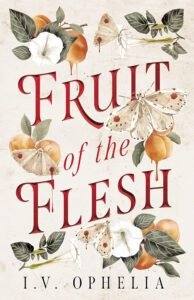
If you’re drawn to stories that explore complicated relationships, emotional vulnerability, and the darker corners of human desire, Fruit of the Flesh by I.V. Ophelia immediately stands out as a tempting read. It’s the kind of book that pulls readers who enjoy intense romance with a psychological edge — the type that makes you question characters’ decisions while still rooting for them in unexpected ways.
Many readers might pick up Fruit of the Flesh by I.V. Ophelia expecting a passionate, boundary-pushing romance, but what they’ll likely discover is a layered story about choices, control, temptation, and the emotional aftermath of crossing lines that can’t easily be uncrossed.
What the Story Feels Like
The emotional atmosphere of Fruit of the Flesh by I.V. Ophelia feels heavy, intimate, and quietly unsettling in the best possible way. There’s a constant tension running beneath the surface, as if something fragile is about to break at any moment. The story doesn’t rush into dramatic explosions of conflict; instead, it simmers slowly, allowing feelings and consequences to build naturally.
There’s also a strong sense of emotional claustrophobia. Readers spend a lot of time inside the characters’ heads, experiencing their conflicting desires and moral struggles. The mood often shifts between seductive and uncomfortable, which feels intentional rather than accidental. The author seems to want readers to sit with that discomfort and think about why certain choices feel irresistible even when they’re clearly dangerous.
What stands out is how personal the storytelling feels. Instead of feeling like an outsider observing the plot, the reader almost feels complicit in the emotional mess unfolding on the pages. Fruit of the Flesh by I.V. Ophelia carries a haunting tone that lingers even after you put the book down.
Writing Style & Pacing
I.V. Ophelia writes with a style that feels intimate and emotionally detailed without becoming overly complicated. The prose leans toward descriptive but remains accessible, which helps maintain immersion without slowing down the reading experience too much. The author uses internal monologue effectively, allowing readers to understand motivations and fears in a way that feels deeply personal.
The pacing of Fruit of the Flesh by I.V. Ophelia is noticeably deliberate. Instead of relying on constant plot twists, the story builds through emotional escalation. Scenes are often focused on conversation, internal conflict, and subtle moments that reveal power dynamics between characters.
At times, the slower pacing actually works in the book’s favor because it allows relationships to develop with realism. Emotional connections feel earned rather than rushed. The author takes time to show how attraction grows alongside guilt, doubt, and vulnerability.
That said, readers who prefer fast-moving romance plots filled with action or external drama might find certain sections slower than expected. The book clearly prioritizes emotional tension over physical events, which can either feel deeply engaging or slightly drawn out depending on the reader’s taste.
Characters & Emotional Connection
The characters in Fruit of the Flesh by I.V. Ophelia are easily the strongest part of the book. They feel flawed, conflicted, and frustratingly human. None of them fit neatly into the role of hero or villain, which makes their decisions feel unpredictable and real.
The main character carries a strong emotional presence throughout the story. There’s a vulnerability that feels authentic, especially in moments when they struggle with their own desires and moral boundaries. The internal conflict is written in a way that allows readers to understand questionable decisions without necessarily agreeing with them.
The romantic dynamic is layered and complex. The relationship isn’t built solely on attraction. It’s shaped by power, emotional dependency, curiosity, and sometimes fear. That complexity is what makes Fruit of the Flesh by I.V. Ophelia emotionally gripping. The connection between characters often feels raw and uncomfortable, which gives their interactions a strong sense of realism.
Supporting characters also add depth to the story. They aren’t just background figures; they help highlight the consequences of the main characters’ choices. Some act as moral mirrors, while others push the story further into emotional chaos.
What makes the characters memorable is how relatable their emotional struggles feel, even when their actions might not be relatable at all. Readers are invited to understand them rather than judge them, which creates a strong emotional bond.
Themes and Real-Life Relevance
One of the most compelling aspects of Fruit of the Flesh by I.V. Ophelia is how it explores themes that feel uncomfortably real. At its core, the book examines temptation, emotional dependency, and the consequences of surrendering to desire when logic suggests otherwise.
The story also touches on control and power within relationships. It explores how emotional influence can shape decisions and how vulnerability can blur the lines between love and manipulation. These themes feel especially relevant in modern discussions about relationship boundaries and emotional accountability.
Another strong theme is self-identity. Several moments in Fruit of the Flesh by I.V. Ophelia focus on characters questioning who they are versus who they want to become. That internal struggle gives the story a deeper emotional weight that extends beyond romance.
The book also highlights the idea that choices rarely exist in isolation. Every emotional or physical decision carries ripple effects that impact not just individuals but everyone connected to them. That realism adds maturity to the storytelling and prevents the romance from feeling superficial.
Best Part of the Book (In My Opinion)
The best part of Fruit of the Flesh by I.V. Ophelia is how emotionally immersive it feels. The author has a talent for writing scenes that feel intensely personal without relying on dramatic plot twists to maintain interest. The emotional conversations and moments of silent tension often carry more impact than major story events.
Another standout element is the moral complexity. The book doesn’t try to present easy answers about love, loyalty, or desire. Instead, it presents messy, emotionally complicated situations and allows readers to form their own opinions. That ambiguity makes the reading experience more engaging and thought-provoking.
There are also several scenes where emotional vulnerability is written so naturally that they feel almost uncomfortable to read — in a good way. Those moments capture the fear of wanting something that might ultimately cause harm, which feels incredibly authentic.
A Small Honest Criticism
While the emotional depth of Fruit of the Flesh by I.V. Ophelia is one of its biggest strengths, it can occasionally feel repetitive. Certain internal conflicts are revisited multiple times, which slightly slows down the momentum of the story.
Another minor criticism is that some supporting characters could have been explored further. While they serve important roles, a little more background or emotional development for them might have added even greater depth to the overall narrative.
Who Should Read It + Who May Skip It
Readers who will likely enjoy Fruit of the Flesh by I.V. Ophelia:
-
Fans of dark romance that focuses heavily on emotional and psychological tension
-
Readers who enjoy morally complex characters and relationship-driven storytelling
-
People who appreciate slow-burn emotional development
Readers who might want to skip Fruit of the Flesh by I.V. Ophelia:
-
Those looking for light, feel-good romance
-
Readers who prefer fast-paced plots with constant action
-
Anyone uncomfortable with emotionally intense or morally gray relationship dynamics
Final Verdict
Reading Fruit of the Flesh by I.V. Ophelia feels like stepping into an emotionally charged atmosphere where every choice carries weight and every connection feels slightly dangerous. It’s not a story that tries to comfort the reader or provide neat resolutions. Instead, it invites readers into a complicated emotional experience that feels raw, personal, and occasionally unsettling.
What makes the book memorable is how honestly it explores desire and consequence. The characters feel real enough to frustrate, sympathize with, and sometimes worry about. The writing style creates a strong sense of closeness to the story, making it difficult to remain emotionally detached.
While the pacing may feel slower in certain sections, the emotional payoff often justifies that deliberate buildup. Readers who enjoy character-driven dark romance will likely find Fruit of the Flesh by I.V. Ophelia deeply engaging and emotionally thought-provoking.
It’s the kind of story that stays with you not because of shocking plot twists, but because of how deeply it explores the messy, complicated nature of human connection.