I picked up Born a Crime on a rainy afternoon, craving something real amid all the fluffy novels out there. Trevor Noah’s stories from his South African childhood grabbed me right away. It’s not just a book; it’s a window into a world shaped by apartheid’s brutal rules, told with laughs that sneak up on you. Why does it matter? In today’s divided times, Noah shows how one kid’s “illegal” existence – born to a Black mother and white father – exposes the absurdity and pain of racism. I’ve laughed, cringed, and teared up, feeling like I was right there in the townships.
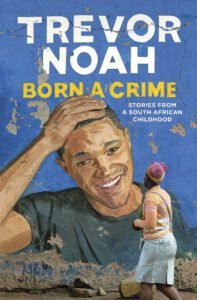
About the Author
Trevor Noah’s no stranger if you’ve caught The Daily Show. But Born a Crime peels back the comedian’s layers. Born in 1984 Johannesburg, he grew up dodging apartheid’s color lines. His mom, a fierce Xhosa woman, raised him against odds that could’ve crushed anyone. Noah turned pain into punchlines, hosting The Daily Show from 2015 to 2022. Now a global voice on race and identity, he writes like he talks – sharp, honest, no filter. This memoir feels like chatting with a friend who’s seen too much but still cracks jokes.
Spoiler-Free Plot Summary
Born a Crime weaves Noah’s childhood tales into a messy, hilarious narrative. Picture a kid shuttled between worlds: Black neighborhoods, white schools, and a mom’s unshakeable faith. Apartheid banned his very existence, so he hides in cars or learns multiple languages to survive. Stories bounce from petty crimes to family fights, schoolyard battles to first loves. It’s not a straight plot like a novel – more a patchwork of memories that build to show how Noah became the man he is. No major spoilers here, but expect twists that reveal apartheid’s lingering scars.
Main Themes
Identity and Belonging
Noah wrestles with being “colored” in a black-and-white world. He doesn’t fit neatly anywhere, which sparks funny yet deep reflections. It’s like being the odd puzzle piece – you force it in, but it never quite clicks. This theme hits home for anyone who’s felt out of place.
The Absurdity of Apartheid
The book nails how racist laws created chaos. Noah shares wild examples, like parks with “Whites Only” benches next to empty “Non-Whites” ones. He exposes the stupidity without preaching, making you chuckle at the madness while feeling the injustice.
Family and Resilience
His mom’s role dominates – tough love wrapped in Bible quotes and whoopings. Their bond shines through poverty and danger. It’s a testament to how family anchors you when society’s against you.
Humor as Survival
Laughter saves Noah. He turns trauma into comedy gold, showing how jokes disarm pain. This theme reminds me why we laugh through tears – it’s human.
Character Analysis
Trevor as a kid steals the show. Mischievous, clever, always scheming – think a street-smart Dennis the Menace in Soweto. His flaws make him real: impulsive, sometimes selfish, but growing wiser.
His mother, Patricia, is the hero. Defiant, devout, hilarious in her no-nonsense way. She smuggles him to safety, teaches life lessons with a switch in hand. Their clashes feel raw, like any mother-son duo amplified by apartheid.
Supporting characters pop vividly: the granny with superstitions, gangster friends, a heartbreaking stepdad. No one’s flat; they drive the story forward, revealing Noah’s world in Technicolor.
Writing Style & Narrative Quality
Noah’s voice flows like stand-up – conversational, punchy, full of asides. Sentences zip short then stretch long, mimicking real talk. He mixes Xhosa, Zulu, Afrikaans seamlessly, with translations that educate without boring. The narrative jumps timelines smartly, building momentum like a good story around a fire. It’s literary work at its best: accessible yet profound. No dry exposition; every page hooks you.
Strengths & Weaknesses
Strengths:
-
Hilarious anecdotes that stick with you.
-
Honest look at apartheid without bitterness.
-
Relatable family dynamics amid big history.
-
Short chapters perfect for dipping in.
Weaknesses:
-
Some stories feel episodic, less connected than a tight novel.
-
Later sections rush big events.
-
Heavy themes might overwhelm light readers.
Still, strengths crush the minor gripes.
Emotional Impact
This book wrecked me in the best way. I laughed till my sides hurt at Noah’s schemes, then sobbed over his mom’s sacrifices. One chapter left me staring at the wall, pondering my own privileges. It’s cathartic – you feel the fear of raids, the joy of small wins. As someone from a stable background, it sparked gratitude and empathy. Noah doesn’t manipulate tears; they come naturally from truth.
Who Should Read This Book?
Fans of memoirs like Educated or The Glass Castle will love Born a Crime. History buffs get apartheid unpacked simply. Anyone questioning identity or race today finds mirrors. Skip if you want fiction plots – this is raw life. Young adults especially; Noah’s teen struggles resonate. Parents? It’ll make you hug yours tighter.
Final Verdict
Born a Crime earns its spot on my keeper shelf. Trevor Noah delivers a memoir that’s funny, heartbreaking, and eye-opening. It doesn’t sugarcoat South Africa’s past but lights a path through it. I’d hand it to friends without hesitation – it’s that good. Not perfect, but damn close. Grab it if you’re ready for stories that linger.
FAQ
What is Born a Crime by Trevor Noah about?
It’s a memoir of Noah’s apartheid-era childhood in South Africa, blending humor with harsh realities of race, family, and survival.
Is Born a Crime a true story?
Yes, it’s Noah’s real-life experiences, told as interconnected stories from his youth.
How long is Born a Crime and is it easy to read?
Around 300 pages, with short, engaging chapters that make it a quick, addictive read.
Does Born a Crime have spoilers in reviews?
This one doesn’t – it focuses on themes, style, and impact without plot giveaways.